Minced Pork Century Egg Porridge in Rice Cooker

Prep Time: 15 minutes | Cook Time: 1 hour | Servings: 2
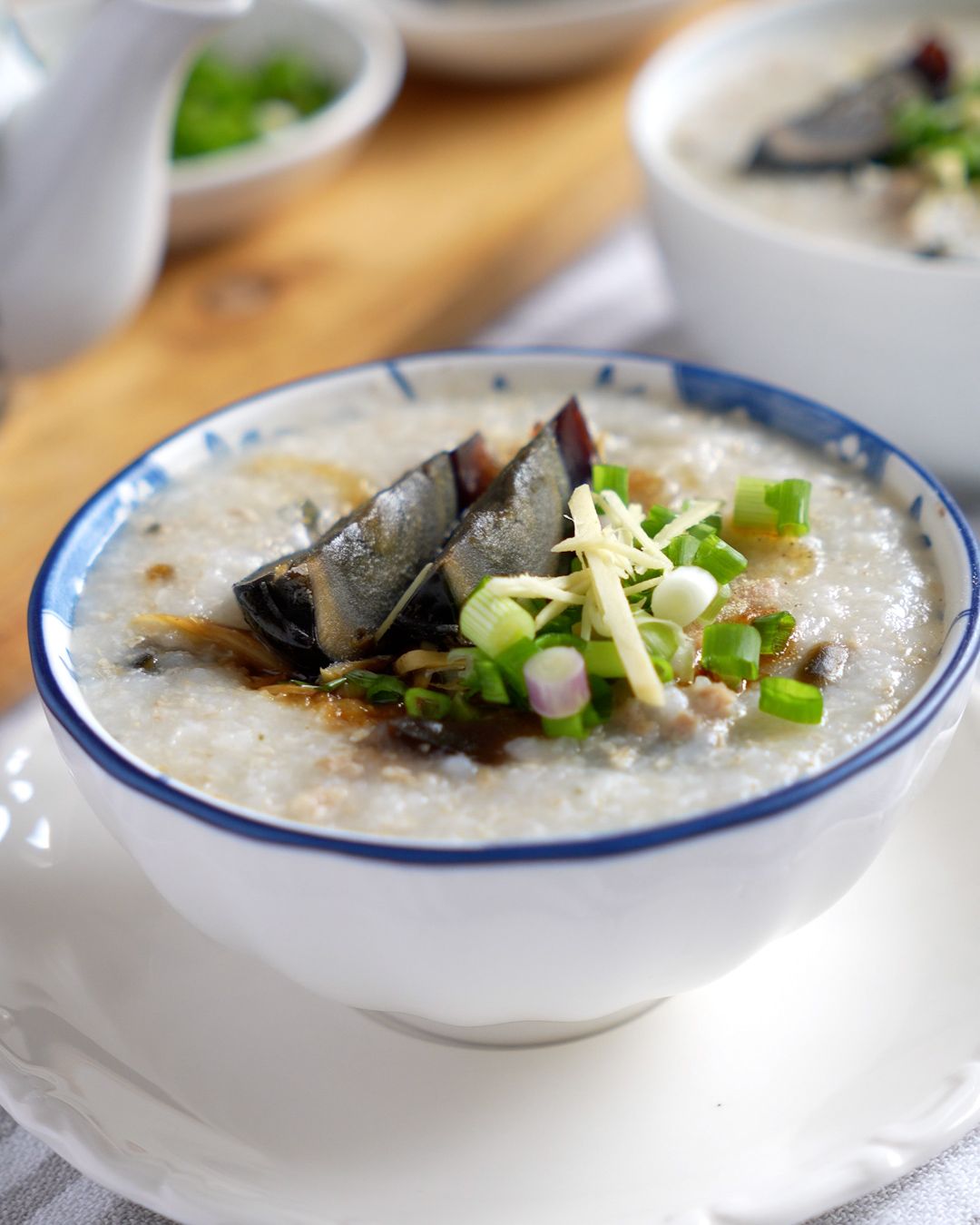
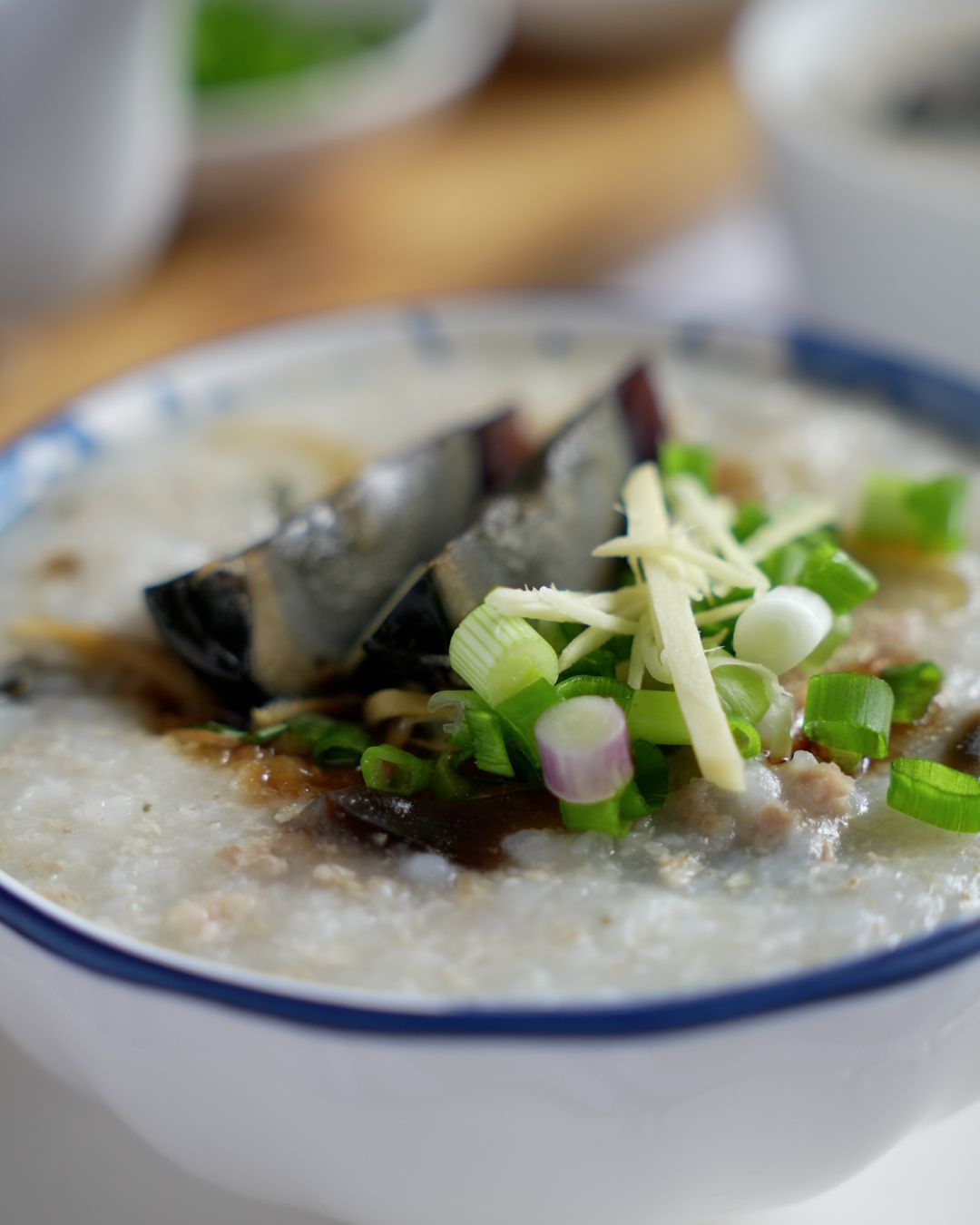
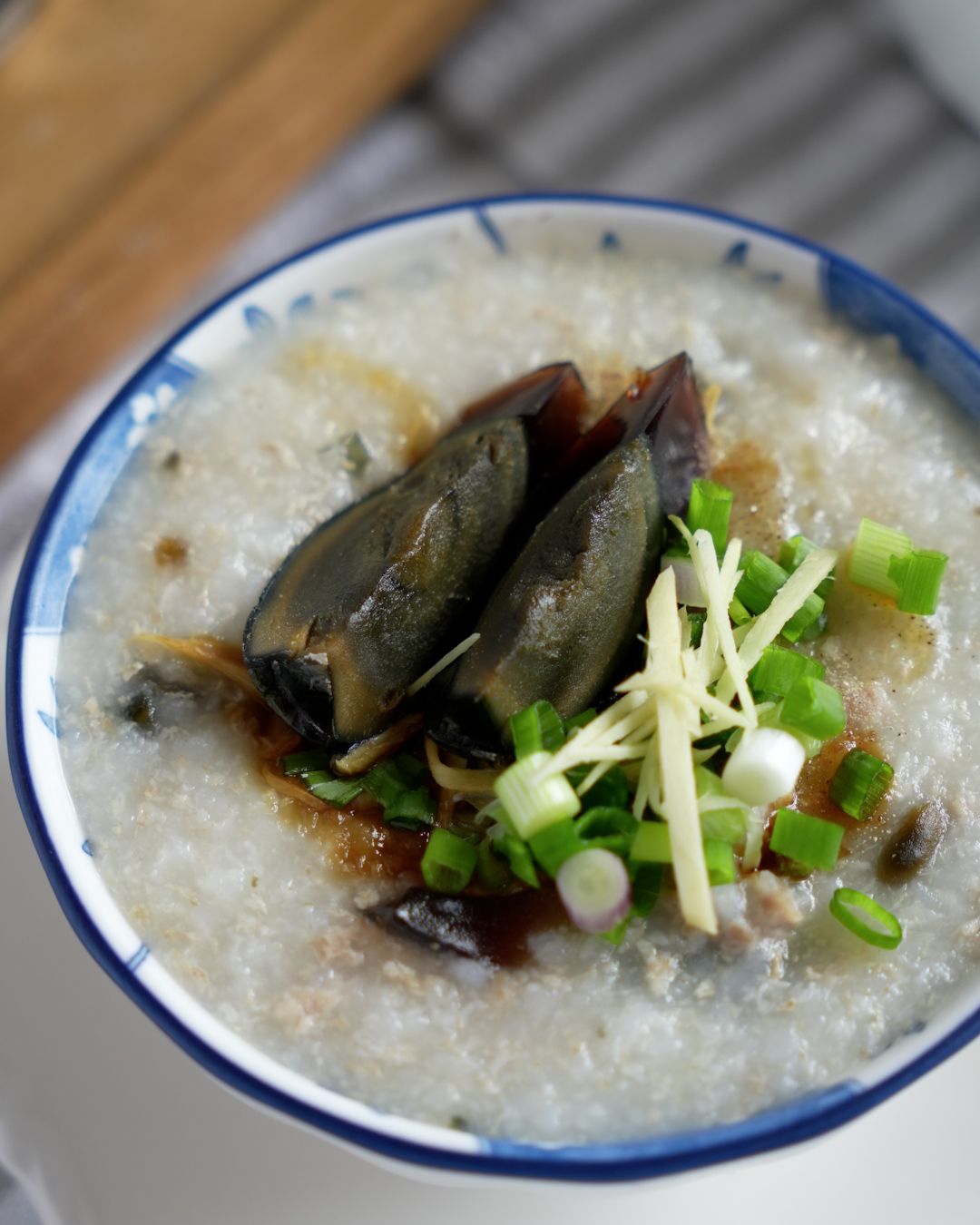
This minced pork century egg porridge in the rice cooker is a savoury, comforting one-pot meal, with silky rice porridge, tender minced pork, and creamy, umami-rich century egg in every spoonful.
This recipe is part of my Rice Cooker Series, where I show you how to make full, flavourful meals using just a rice cooker.
Watch How to Make It
Equipment
Basic Rice Cooker 1 litre — Shopee | Lazada | Amazon
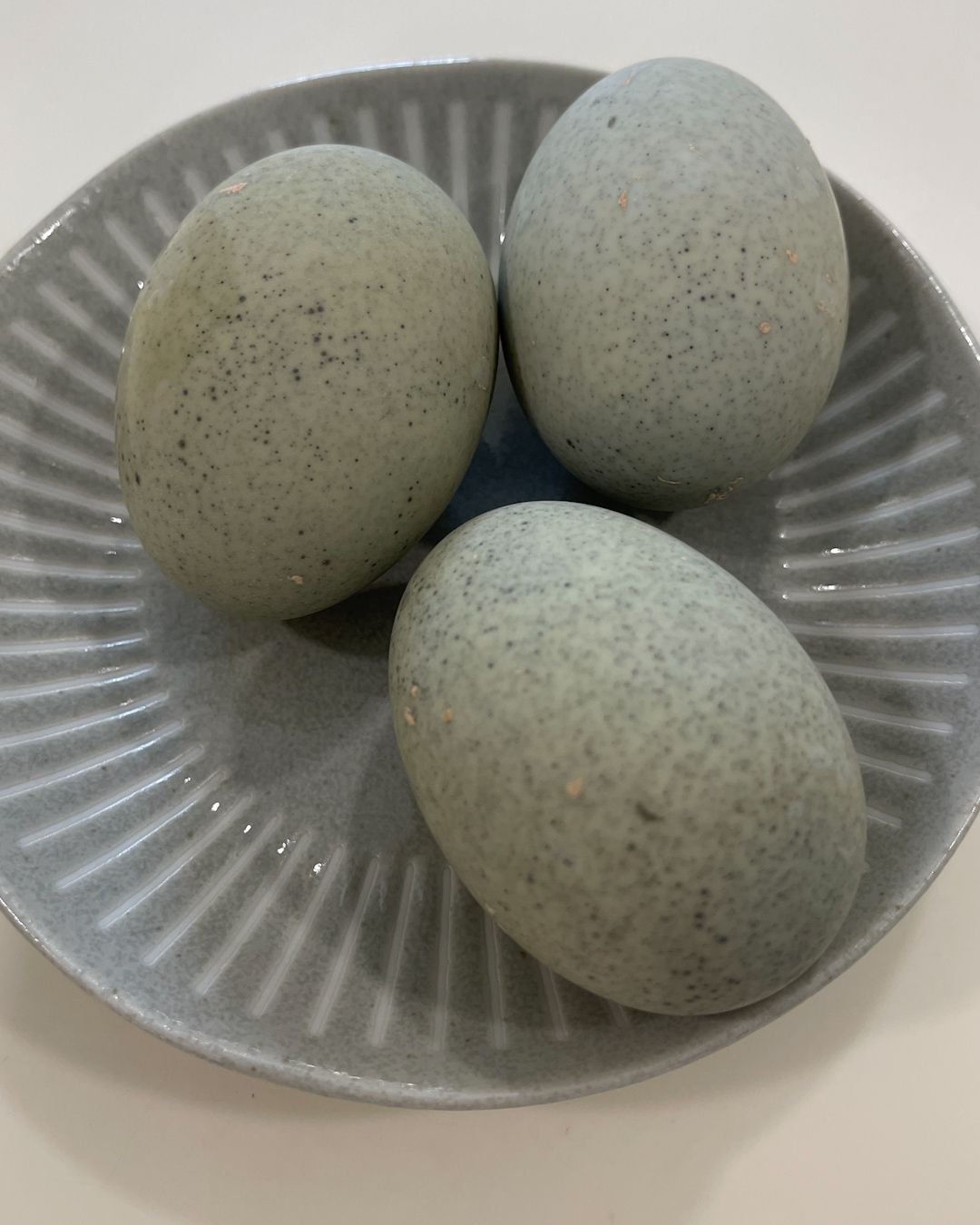
What Is Century Egg?
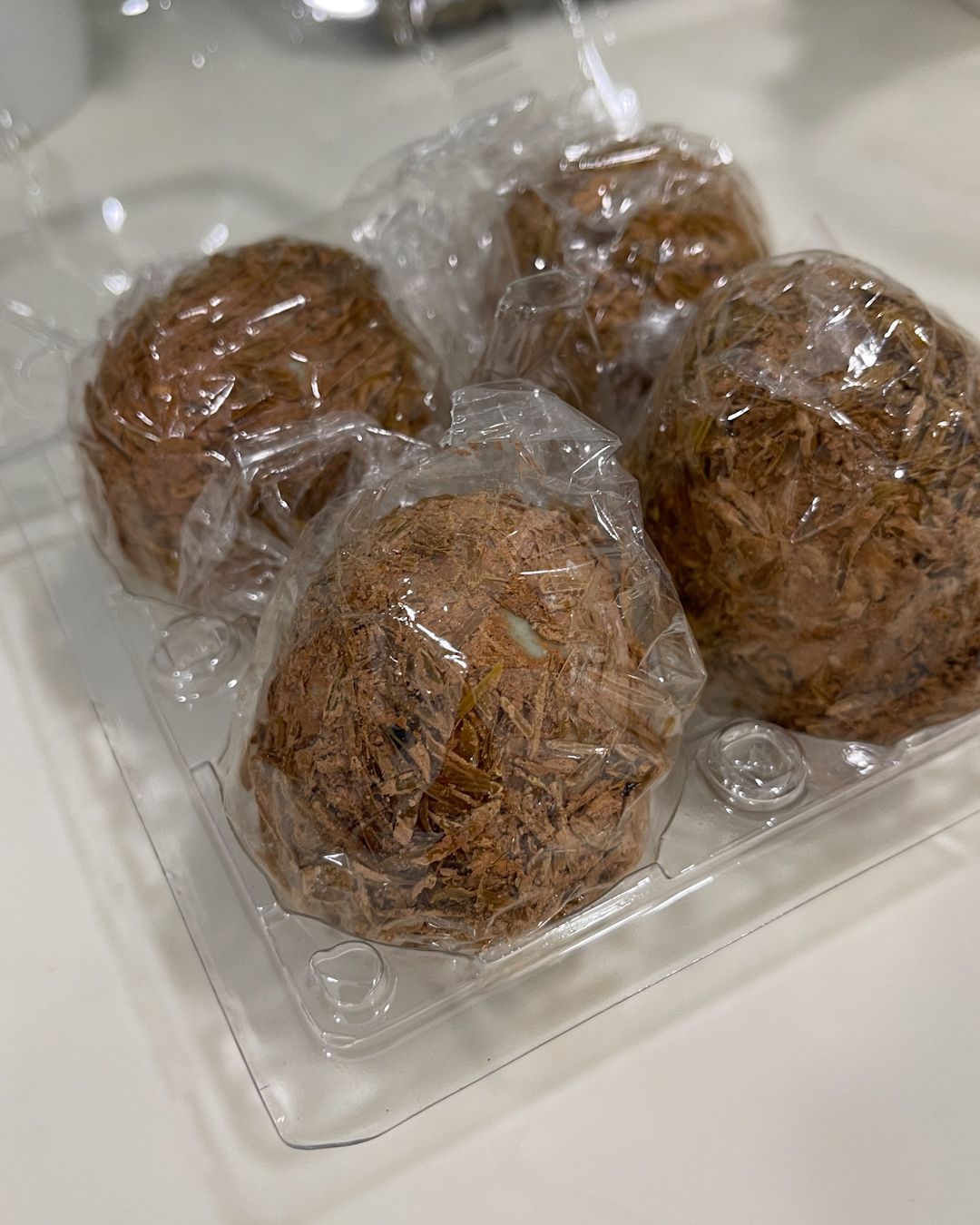
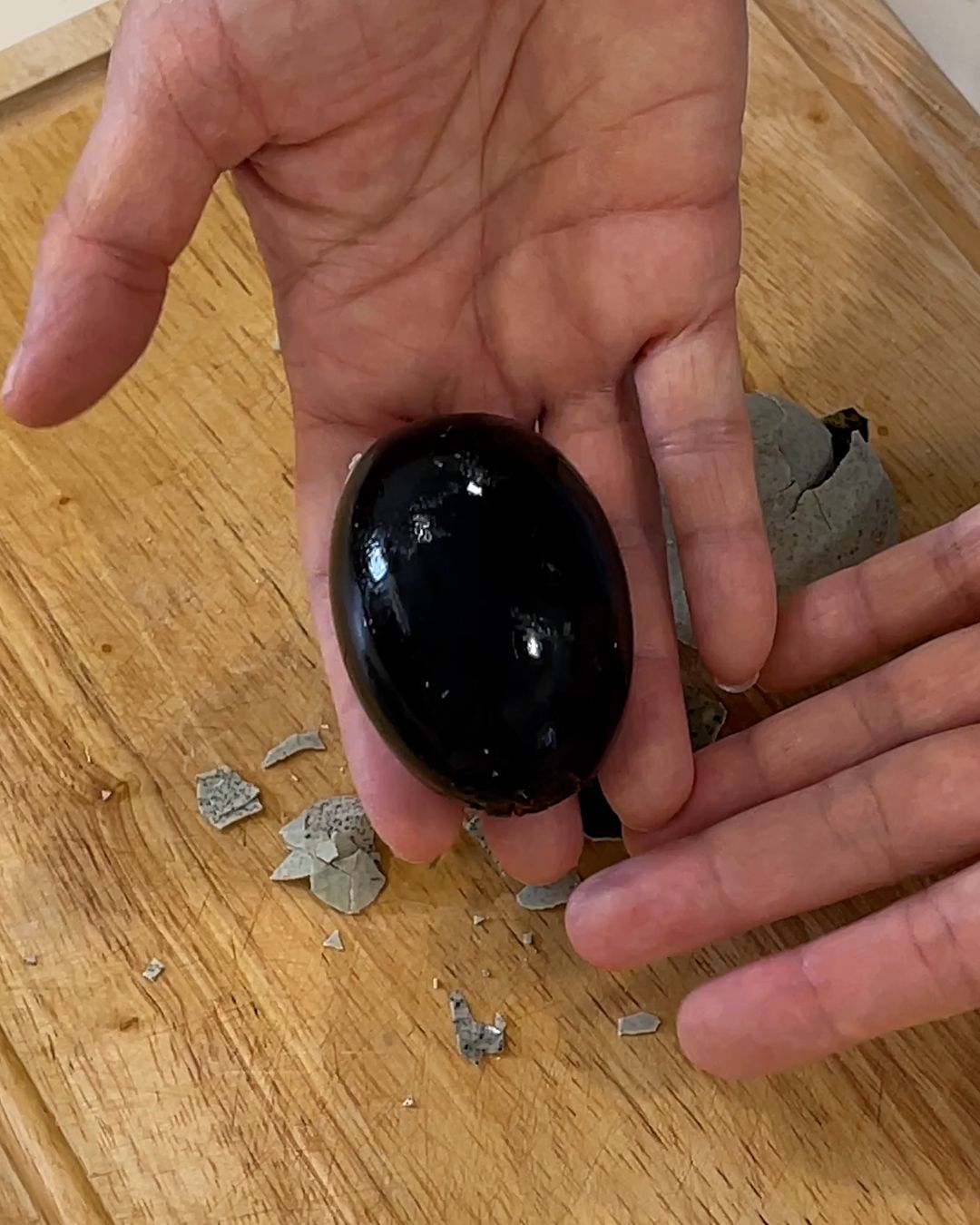
Century egg is a preserved duck, chicken, or quail egg from Chinese cuisine. Despite the name, it isn’t aged for a hundred years, the egg is cured for several weeks in a mixture of clay, ash, salt, and rice hulls (or a quicker alkaline brine in modern production). Curing turns the yolk a dark greenish-grey and the white into a translucent, jelly-like brown. The flavour is deep and savoury with a strong umami edge. It’s a common addition to congee and porridge, where it adds extra richness and depth to the broth.
Ingredients You’ll Need
Serves 2
- 300 grams minced pork (300克猪肉末)
- 1 cup white rice (1杯白米)
- 5-6 cups water (5-6杯水)
- 1 slice ginger (1片生姜)
- 3 century eggs (3个皮蛋)
Pork Marinade (猪肉腌料)
- 1/2 teaspoon salt (1/2 茶匙盐)
- 1/4 teaspoon white pepper (1/4 茶匙白胡椒粉)
- 1 teaspoon cornstarch (1 茶匙玉米淀粉)
Garnish Per Serving (每份装饰)
- 1 tablespoon spring onion (1 汤匙葱花)
- few drops of sesame oil (几滴芝麻油)
- some julienned ginger (少许姜丝)
- 1/2 teaspoon light soy sauce (1/2茶匙生抽) (buy from Shopee, Lazada and Amazon)
- dash of white pepper (少许白胡椒粉)
How to Make Minced Pork Century Egg Porridge in Rice Cooker
Step 1 — Marinate the Pork
Add the salt, white pepper, and cornstarch to the minced pork. Mix in one direction until the pork forms a sticky paste — this is what makes the meat turn slightly springy once cooked.
Step 2 — Add the Rice and Water
Add the washed rice to the rice cooker, then pour in the water. Use 1 cup of rice to 5-6 cups of water for this porridge.
Step 3 — Add the Ginger and Pork
Add the ginger slice to the rice cooker — it takes away any porky smell as the porridge cooks. Place the marinated minced pork on top of the rice and water.
Step 4 — Cook the Porridge
Cover the lid, tilting it slightly so the porridge doesn’t overflow as it bubbles up. Set your rice cooker to cook (use the porridge or congee setting if your model has one) and let it cook for about 1 hour.
Tip: Tilting the lid matters more than it sounds. Porridge foams up as the rice breaks down, and a fully closed lid can cause it to overflow.
Step 5 — Prep the Century Eggs
While the porridge cooks, prepare the century eggs: remove the outer shell and cut the eggs into smaller pieces.
Step 6 — Stir in the Century Eggs
Once the porridge is ready, stir the century egg pieces through the hot porridge.
Step 7 — Season and Garnish
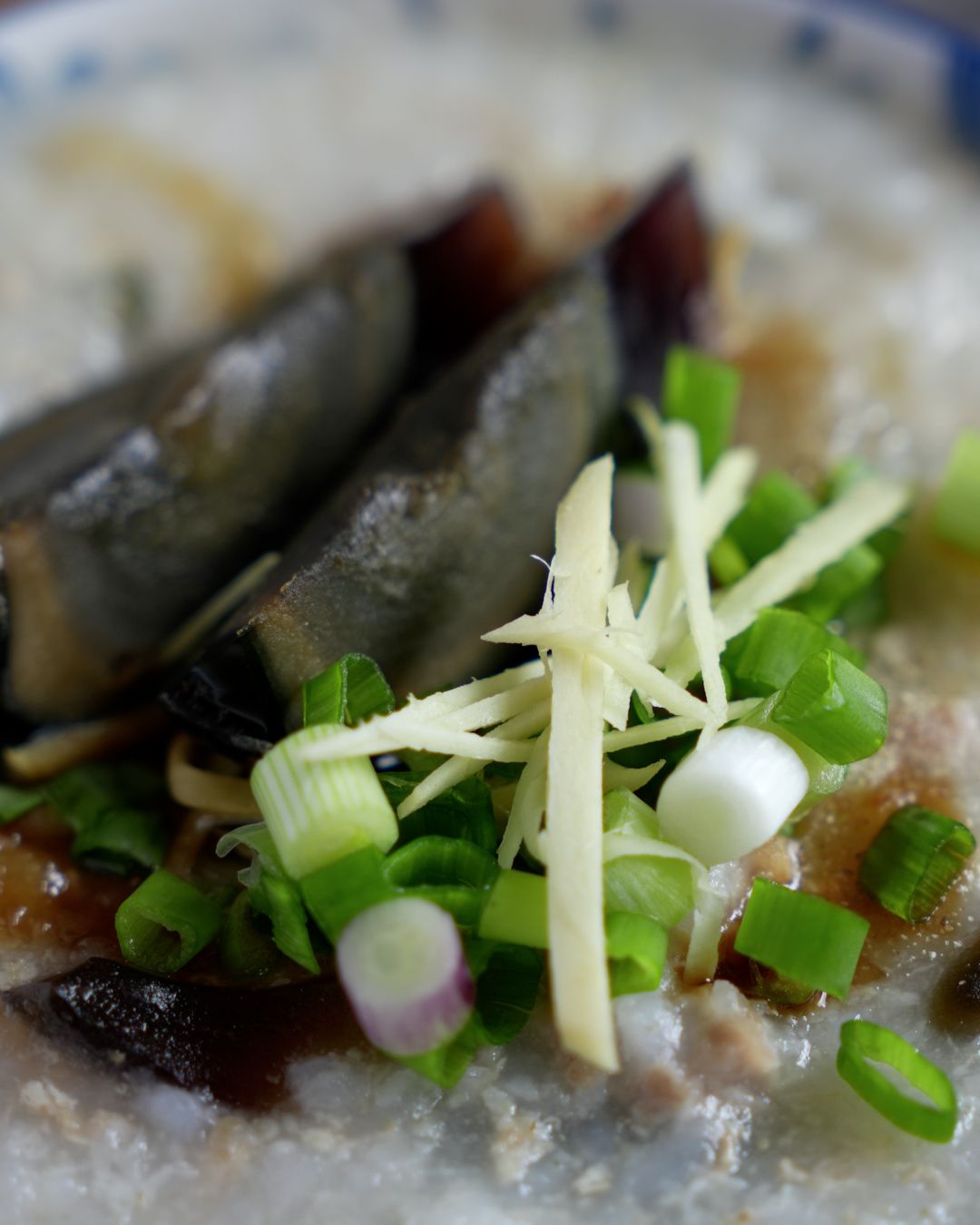
Season each serving with a few drops of sesame oil, a dash of white pepper, and the light soy sauce, then finish with julienned ginger and spring onion.
Tips for the Best Minced Pork Century Egg Porridge
Marinate the pork well. Mixing it in one direction until sticky keeps the pork tender and springy instead of clumping into hard bits in the porridge.
Tilt the lid while it cooks. Porridge bubbles up as it thickens — tilting the rice cooker lid slightly stops it from overflowing.
Adjust the rice-to-water ratio for your preferred texture. I use 1 cup of rice to 6 cups of water for a thinner, silkier porridge. Use less water if you prefer it thicker. If you are afraid that the water might overflow, use 5 cups of water, then once the porridge is cooked, add more water to get the consistency you like.
You can still adjust the texture after it’s done cooking. Stir in a splash of hot water if the porridge is thicker than you’d like, or let it cook a little longer with the lid off to reduce the water and thicken it further.
Season each bowl separately. Since the sesame oil, white pepper, and light soy sauce are added per serving, this keeps any leftover porridge plain and easier to reheat without over-seasoning it. It also tastes better this way, the seasoning stays fresh and fragrant instead of sitting in the hot porridge and fading.
Frequently Asked Questions
What rice should I use for this recipe?
I use jasmine rice, it’s a type of white rice with a light, fragrant flavour that suits this porridge well. Any white rice works, but jasmine rice is my go-to for this recipe.
Can I use a multifunctional rice cooker for this recipe?
Yes. A multifunctional rice cooker works well too. The cooking time may vary depending on your model — check the pork is fully cooked through before serving.
Can I use an Instant Pot for this recipe?
Yes. Follow your Instant Pot’s own porridge or pressure cook setting and instructions. Stir in the century egg pieces once the porridge is done, the residual heat is enough to warm them through.
What’s the rice-to-water ratio for this porridge?
I use 1 cup of rice to 5-6 cups of water for a silky, spoonable porridge. Use less water if you prefer a thicker congee.
How do I store leftover porridge?
Keep it in an airtight container in the fridge for up to 2 days. Reheat on the stove or in the microwave, adding a splash of water if it has thickened too much.
Tried this recipe? Leave a comment below and let me know how it turned out! Don’t forget to tag @ruyiasianrecipes if you share it on social media.
You Might Also Like:
- Pork Ribs Porridge in Rice Cooker
- Easy Chicken Rice in Rice Cooker
- Lemongrass Chicken in Rice Cooker
Minced Pork Century Egg Porridge in Rice Cooker
Ingredients
- 300 grams minced pork (300克猪肉末)
- 1 cup white rice (1杯白米)
- 5-6 cups water (5-6杯水)
- 1 slice ginger (1片生姜)
- 3 century eggs (3个皮蛋)
Pork Marinade (猪肉腌料)
- 1/2 teaspoon salt (1/2 茶匙盐)
- 1/4 teaspoon white pepper (1/4 茶匙白胡椒粉)
- 1 teaspoon cornstarch (1 茶匙玉米淀粉)
Garnish Per Serving (每份装饰)
- 1 tablespoon spring onion (1 汤匙葱花)
- few drops of sesame oil (几滴芝麻油)
- some julienned ginger (少许姜丝)
- 1/2 teaspoon light soy sauce (1/2茶匙生抽)
- dash of white pepper (少许白胡椒粉)
Instructions
Step 1 — Marinate the Pork
- Add the salt, white pepper, and cornstarch to the minced pork. Mix in one direction until the pork forms a sticky paste — this is what makes the meat turn slightly springy once cooked.
Step 2 — Add the Rice and Water
- Add the washed rice to the rice cooker, then pour in the water. Use 1 cup of rice to 5-6 cups of water for this porridge.
Step 3 — Add the Ginger and Pork
- Add the ginger slice to the rice cooker — it takes away any porky smell as the porridge cooks. Place the marinated minced pork on top of the rice and water.
Step 4 — Cook the Porridge
- Cover the lid, tilting it slightly so the porridge doesn’t overflow as it bubbles up. Set your rice cooker to cook (use the porridge or congee setting if your model has one) and let it cook for about 1 hour.
- Tip: Tilting the lid matters more than it sounds. Porridge foams up as the rice breaks down, and a fully closed lid can cause it to overflow.
Step 5 — Prep the Century Eggs
- While the porridge cooks, prepare the century eggs: remove the outer shell and cut the eggs into smaller pieces.
Step 6 — Stir in the Century Eggs
- Once the porridge is ready, stir the century egg pieces through the hot porridge.
Step 7 — Season and Garnish
- Season each serving with a few drops of sesame oil, a dash of white pepper, and the light soy sauce, then finish with julienned ginger and spring onion.
Video
Notes
- Marinate the pork well. Mixing it in one direction until sticky keeps the pork tender and springy instead of clumping into hard bits in the porridge.
- Tilt the lid while it cooks. Porridge bubbles up as it thickens — tilting the rice cooker lid slightly stops it from overflowing.
- Adjust the rice-to-water ratio for your preferred texture. I use 1 cup of rice to 6 cups of water for a thinner, silkier porridge. Use less water if you prefer it thicker. If you are afraid that the water might overflow, use 5 cups of water, then once the porridge is cooked, add more water to get the consistency you like.
- You can still adjust the texture after it’s done cooking. Stir in a splash of hot water if the porridge is thicker than you’d like, or let it cook a little longer with the lid off to reduce the water and thicken it further.
- Season each bowl separately. Since the sesame oil, white pepper, and light soy sauce are added per serving, this keeps any leftover porridge plain and easier to reheat without over-seasoning it. It also tastes better this way, the seasoning stays fresh and fragrant instead of sitting in the hot porridge and fading.