Simple Chinese Jicama Recipe with Dried Shrimp (Sengkuang)

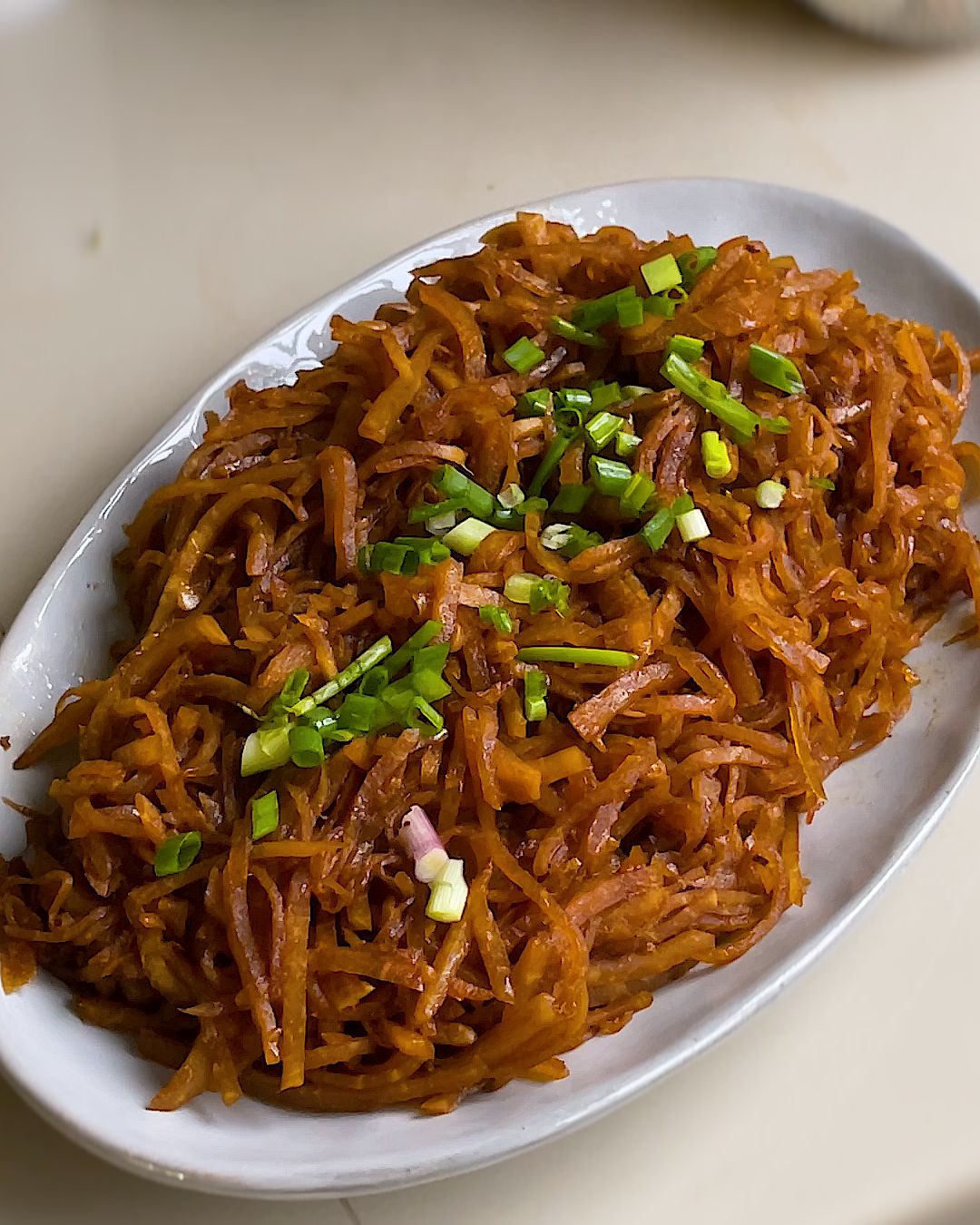
This Chinese jicama recipe is my family’s favourite — a simple homestyle dish that is comforting and only needs a few ingredients. It turns out savoury and sweet, with the jicama soft on the outside and still crunchy in the middle.
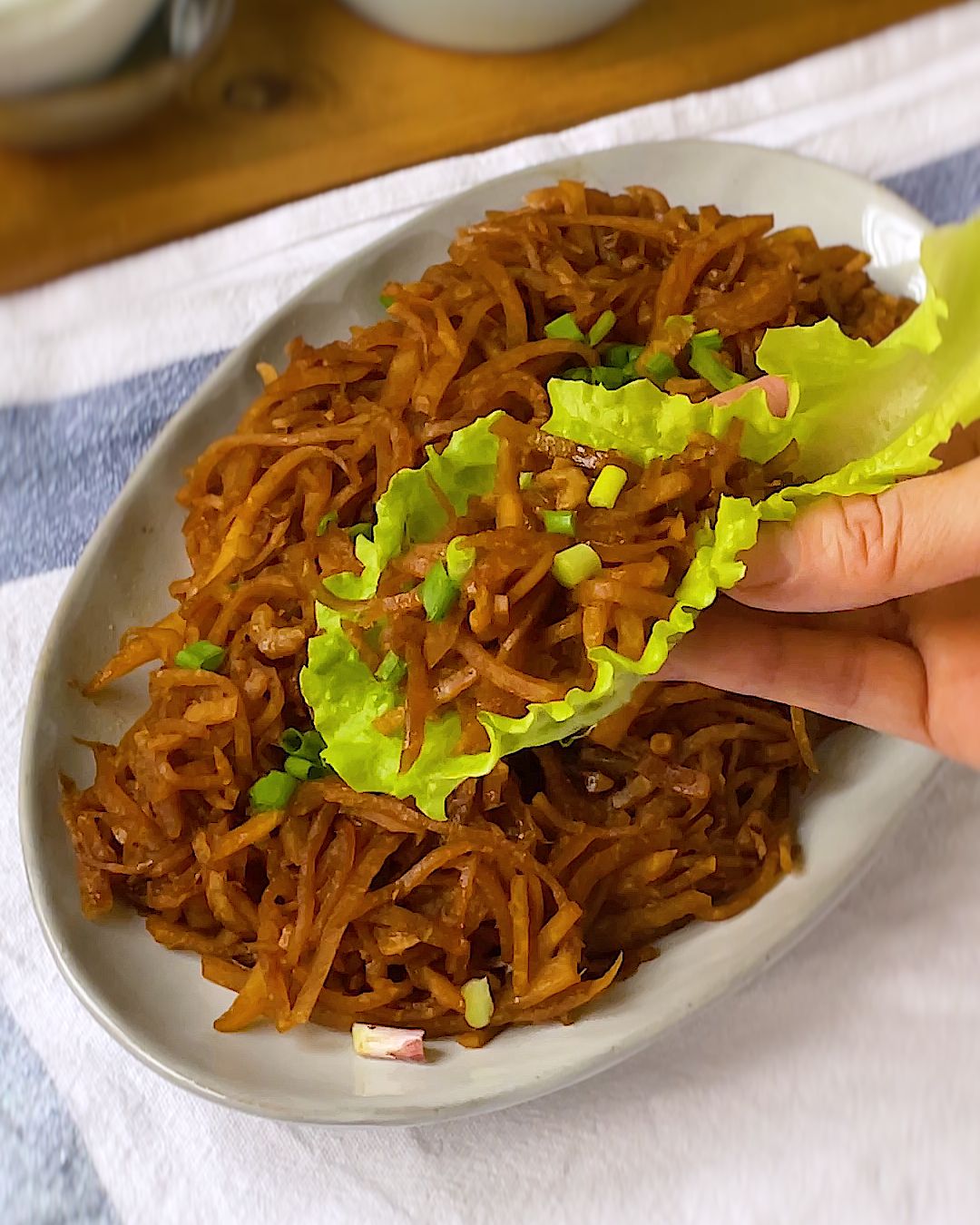
You will usually find this jicama served in Nyonya restaurants with a dish called “Ju Hu Char”. The Nyonya version is very delicious but takes quite a bit of effort. My family’s recipe is just a simple one with few ingredients. It doesn’t taste the same as Ju Hu Char but it is also very yummy. It’s savoury, sweet with simple flavours. You can enjoy this with rice or wrap it in lettuce for a lighter meal.
Prep Time: 20 minutes | Cook Time: 25 minutes | Total Time: 45 minutes | Servings: 6
Watch How to Make Chinese Jicama
Equipment
La Gourmet Cast Iron Wok 36cm — Shopee | Lazada or any cooking wok/pan.
You’ll also need a lid that fits the wok, since the jicama steams under cover for most of the cooking time.
What Is Jicama?
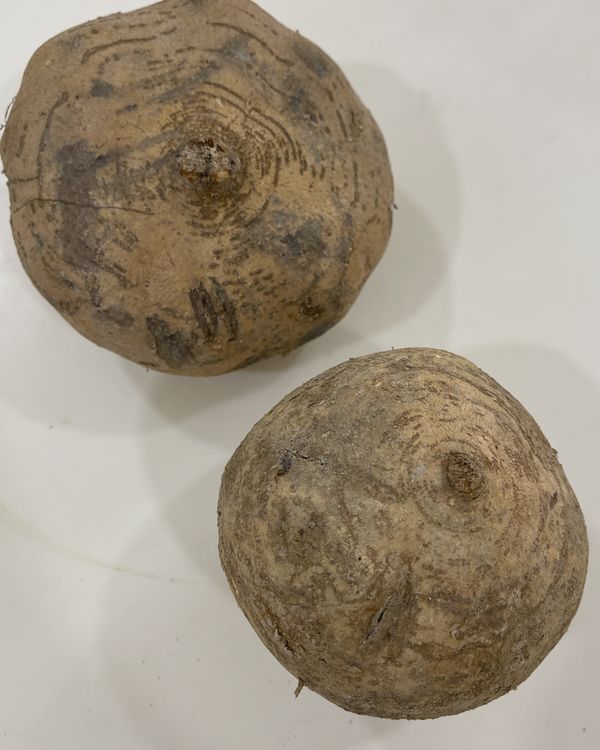
Jicama is a round root vegetable with thin brown skin and white flesh inside. In Malaysia we call it sengkuang, and you’ll also see it sold as yam bean. Raw, it’s crisp and juicy with a mild sweetness, a bit like a water chestnut. It keeps that crunch well once it’s cooked, so it holds up to a long, gentle cook under a lid instead of going soft and watery.
Ingredients for Chinese Jicama
Serves 6
- 15-20 grams dried shrimp (15-20克虾米)
- 6 cloves garlic, minced (6瓣蒜,切碎)
- 1-1.2 kg jicama (1-1.2公斤沙葛)
- 2 tablespoons light soy sauce (2汤匙生抽) (buy from Shopee, Lazada and Amazon)
- 1-2 teaspoons dark soy sauce (1-2茶匙黑酱油) (buy from Shopee, Lazada and Amazon)
- 1 cup water (1杯水)
- 3 tablespoons cooking oil (3汤匙食用油)
- Sugar, to taste, optional (糖,适量,可选)
- Lettuce leaves, for wrapping, optional (生菜叶,包裹用,可选)
How to Make Chinese Jicama
Step 1 — Soak the Dried Shrimp
Soak the dried shrimp in water for about 5 minutes, then strain off the excess water.
Step 2 — Prepare the Jicama
Wash the jicama, then peel off the skin. Cut it into thin slices first, then cut the slices into thin strips. Set aside.
Tip: Slicing first and then cutting the slices into strips is far easier than trying to cut strips straight off a whole jicama, and you’ll get more even pieces.
Step 3 — Fry the Garlic and Dried Shrimp
Heat the oil in the wok, then add the dried shrimp and garlic. Fry until fragrant and the garlic turns golden brown.
Step 4 — Add the Jicama and Season
Add the jicama and toss until well combined. Pour in the light soy sauce and dark soy sauce, and toss until fragrant. Add the water and toss a few more times.
Step 5 — Cover and Cook
Cover the wok with a lid and leave it to cook on low-medium heat until the jicama softens to the texture you want. I like mine soft on the outside and still crunchy inside.
Tip: Jicama varies in sweetness, so taste it here and adjust. If yours isn’t very sweet, add a little sugar. If it needs more savouriness, add a splash more light soy sauce.
Add water when necessary so that the water doesn’t dry out before the jicama turns soft.
Step 6 — Cook Off the Water
Turn the heat up and let it cook until the water has almost evaporated. Serve it hot with rice, or wrap spoonfuls in lettuce leaves if you’d prefer something lighter.
Tips for the Best Chinese Jicama
- Cut the jicama into thin strips. Thick pieces take much longer to soften and don’t pick up the seasoning as well. Slice it first, then cut the slices into strips.
- Soak the dried shrimp before frying. Five minutes is enough. It softens them so they don’t stay hard in the finished dish.
- Taste before you finish. Jicama varies in sweetness, so the seasoning has to vary with it. Add a little sugar if yours is bland, or more light soy sauce if it needs salt.
- Cook it to the texture you like. I stop when it’s soft on the outside and still crunchy in the middle. Leave it under the lid longer if you prefer it fully soft.
- Let the water cook off at the end. Turn the heat up for the last stretch so the sauce clings to the jicama instead of pooling in the wok.
What to Serve with Chinese Jicama
This is a rice dish at our table, with something meaty next to it. Steamed Pork Ribs with Fermented Black Beans works well, and if you want a soup on the table too, I’d go with Old Cucumber Soup with Chicken. For a lighter meal, skip the rice and wrap the jicama in lettuce leaves instead.
Frequently Asked Questions
Is sengkuang the same as jicama?
Yes. Sengkuang is the Malay name for jicama, and it’s also sold as yam bean. They’re all the same root vegetable.
What does jicama taste like?
Mild and lightly sweet, close to a water chestnut. That’s why it needs something salty and fragrant cooked into it, which is what the dried shrimp and garlic are doing here.
How long does jicama take to cook?
About 25 minutes for this recipe, most of that covered on low-medium heat. Thin strips soften faster than thick ones, so check the texture as you go.
How do you soften jicama?
Cover the wok and let it cook on low-medium heat. The trapped steam does the work, which is why this recipe adds water and puts a lid on rather than frying it uncovered.
Can you eat jicama raw?
Yes. It’s crisp and juicy raw, and it’s often eaten that way in rojak. Peel it first, the skin isn’t eaten.
How do you choose a good jicama?
Pick one that feels heavy for its size with firm, dry skin and no soft spots. A lighter one has usually started to dry out inside.
How do you store leftovers?
Keep them in an airtight container in the fridge for up to 3 days.
Tried this recipe? Leave a comment below and let me know how it turned out! Don’t forget to tag @ruyiasianrecipes if you share it on social media.
You Might Also Like:
- Stir-Fry Pork Belly with Mushrooms
- Pork Ribs Soup with Winter Melon
- Silken Tofu with Minced Pork and Bean Paste (Taucu)
Simple Chinese Jicama Recipe with Dried Shrimp (Sengkuang)
Ingredients
- 15-20 grams dried shrimp (15-20克虾米)
- 6 cloves garlic, minced (6瓣蒜,切碎)
- 1-1.2 kg jicama (1-1.2公斤沙葛)
- 2 tablespoons light soy sauce (2汤匙生抽)
- 1-2 teaspoons dark soy sauce (1-2茶匙黑酱油)
- 1 cup water (1杯水)
- 3 tablespoons cooking oil (3汤匙食用油)
- Sugar, to taste, optional (糖,适量,可选)
- Lettuce leaves, for wrapping, optional (生菜叶,包裹用,可选)
Instructions
Step 1 — Soak the Dried Shrimp
- Soak the dried shrimp in water for about 5 minutes, then strain off the excess water.
Step 2 — Prepare the Jicama
- Wash the jicama, then peel off the skin.
- Cut it into thin slices first, then cut the slices into thin strips. Set aside.
- Tip: Slicing first and then cutting the slices into strips is far easier than trying to cut strips straight off a whole jicama, and you’ll get more even pieces.
Step 3 — Fry the Garlic and Dried Shrimp
- Heat the oil in the wok, then add the dried shrimp and garlic.
- Fry until fragrant and the garlic turns golden brown.
Step 4 — Add the Jicama and Season
- Add the jicama and toss until well combined.
- Pour in the light soy sauce and dark soy sauce, and toss until fragrant.
- Add the water and toss a few more times.
Step 5 — Cover and Cook
- Cover the wok with a lid and leave it to cook on low-medium heat until the jicama softens to the texture you want.
- I like mine soft on the outside and still crunchy inside.
- Tip: Jicama varies in sweetness, so taste it here and adjust. If yours isn’t very sweet, add a little sugar. If it needs more savouriness, add a splash more light soy sauce.
- Add water when necessary so that the water doesn’t dry out before the jicama turns soft.
Step 6 — Cook Off the Water
- Turn the heat up and let it cook until the water has almost evaporated.
- Serve it hot with rice, or wrap spoonfuls in lettuce leaves if you’d prefer something lighter.
Video
Notes
- Cut the jicama into thin strips. Thick pieces take much longer to soften and don’t pick up the seasoning as well. Slice it first, then cut the slices into strips.
- Soak the dried shrimp before frying. Five minutes is enough. It softens them so they don’t stay hard in the finished dish.
- Taste before you finish. Jicama varies in sweetness, so the seasoning has to vary with it. Add a little sugar if yours is bland, or more light soy sauce if it needs salt.
- Cook it to the texture you like. I stop when it’s soft on the outside and still crunchy in the middle. Leave it under the lid longer if you prefer it fully soft.
- Let the water cook off at the end. Turn the heat up for the last stretch so the sauce clings to the jicama instead of pooling in the wok.